

















Tokyo Rig
The Tokyo rig is a versatile take on a drop shot rig, combined with the action and freedom of movement of a Jika rig.


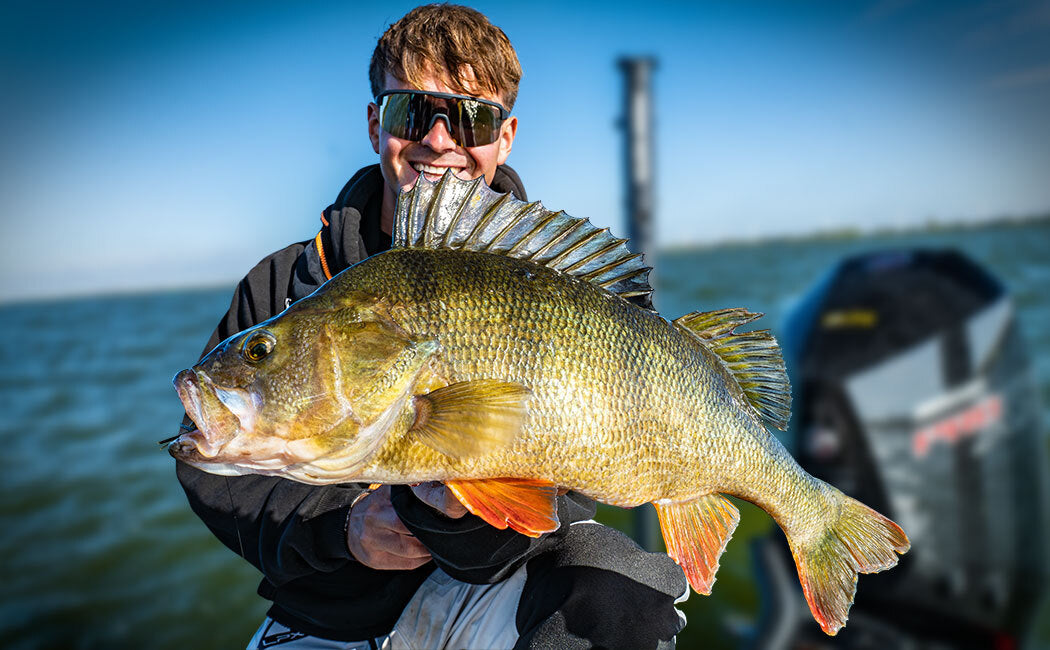
<h2>What Is the Tokyo Rig</h2><p>One of the greatest strengths of the Tokyo rig is its <strong>flexibility</strong>. Once you have all the individual components assembled, you can quickly and easily swap out, for example, the weight as needed. The baits are fully interchangeable, and running different fishing techniques on a single setup is no problem at all. Twitching, jigging, dead-sticking, vertical jigging - everything is possible, and all of it is effective with a well-built Tokyo rig.</p><p>In flowing water, the weight, which can move completely freely relative to the hook, gives the bait far more room to breathe. It behaves more naturally, while the weight pins the rig firmly to the bottom. Even strong currents are no obstacle when you want to fish a relatively small bait.</p><p>The extra distance between the weight and the hook - which is precisely what sets the Tokyo rig apart from the Jika rig - is one of its defining features. In most cases, the hook on a Jika rig is fixed in place. There is, however, already a modified Tokyo rig variant where the hook slides freely on the <strong>main line</strong> above the weight. The connection between the weight and the hook is made via a welded, extremely strong small <strong>metal ring</strong>.</p><h2>Tokyo Rig Components and Build</h2><p>The classic Tokyo rig is made up of the following individual components that you need to build the rig yourself. Matching <strong>soft plastics</strong> are available here in the shop in all productive sizes and colours. A good <strong>fluorocarbon</strong> leader increases your chances considerably. Remember to replace the leader when necessary - even minor damage can result in losing both the rig and the fish.</p><p><strong>Components and Build - Tokyo Rig</strong></p><ol><li>Fluorocarbon leader</li><li>Soft plastics of all types</li><li>Tokyo rig hook assembly consisting of:<ul><li>Swivel to the main line</li><li>Metal ring swivel to the weight</li><li>Spacer and Tokyo rig weight(s)</li><li>Tokyo rig hook, optionally with weedguard</li></ul></li></ol><p>One common beginner mistake to avoid with the Tokyo rig is incorrect hook orientation. The hook shank should point towards the bottom. This means the hook point is pushed through the bait towards the top side. Technically it is possible to fish the rig the other way around, but the bait is presented most effectively in the correct orientation - with the hook shank and the belly of the bait facing down towards the bottom.</p><h3>Position of the Weights</h3><p>A second error that can creep in when setting up a Tokyo rig is the position of the weights. If you are using a tapered weight, the pointed end should face the bottom. This allows the rig to sink quickly and creates an irregular, erratic movement when you lift the bait.</p><h3>Getting to Know the Tokyo Rig</h3><p>Once you are comfortable with the basic setup of the Tokyo rig and have a feel for how to work the bait, it is time to give it a go. First and foremost, big <strong>perch</strong> tend to show a strong interest in Tokyo rigs. That said, plenty of <strong>zander</strong> and even <strong>pike</strong> have been caught on them too. In the United States, the rig has gained enormous popularity very quickly, particularly among <strong>largemouth bass</strong> anglers.</p><p style="text-align: center;"> </p><p style="text-align: center;"><iframe frameborder="0" src="https://www.youtube.com/embed/TSR3rOHb9UU" width="560" height="315" allowfullscreen=""></iframe></p>