












Freedom for the lure!
That's the motto of the free rig, and it's meant literally. The weight and the lure work independently of each other, which produces some truly special properties. There are similar set-ups in other rigs, of course. The Texas rig, the Jika rig and the Cheburashka all allow the weight and lure to move flexibly in relation to one another. Even so, the free rig gives the lure the greatest degree of freedom without significantly increasing the risk of snagging — something you'd encounter with the Carolina rig or a drop shot rig. How it all works, how to set it up, and what tackle suits it best — read on to find out.
Components of the Free Rig
What do you actually need for a free rig? It's straightforward and the list is short.
- A hook — an offset hook is the preferred choice, as it lets you make the most of what the free rig has to offer.
- A weight: stick weights with a built-in swivel at the top end are the way to go. Drop shot weights will work in principle too. Whether you use lead or tungsten doesn't matter for now — more on that shortly.
- Leader line: you should always use a quality fluorocarbon line here. It's highly abrasion-resistant and virtually invisible underwater. If you're already fishing a full fluorocarbon main line, you can skip this step.
- A rubber bead as a knot protector

Setting Up the Free Rig
How do you put the rig together? It really couldn't be simpler. Starting from the most common line combination today — braid as main line with a fluorocarbon leader — tie a fluorocarbon leader of around 0.22 mm diameter to your main line. You can go thinner, but in most cases there's little point; the heavier material is simply more resistant to abrasion.
The best way to connect main line and leader is with an FG knot. Small leader rings are a good alternative if you're keeping leaders on the shorter side.
Thread the stick weight onto the leader through its eye so that it slides freely on the line. Follow it with a small rubber bead. You can leave the bead out if you want the rig as discreet as possible, but it does serve a purpose — it stops the weight's eye from sliding over the knot or damaging it. So it's worth including.
Finally, tie on the hook. As mentioned, an offset hook is usually the first choice, though Aberdeen hooks work too when the snag risk isn't particularly high.
That's your rig complete.
How Does the Free Rig Actually Work?
The core principle of the free rig is the maximum separation of weight and lure during the retrieve — not a fixed distance between the two, as with the Carolina rig or a drop shot rig, but a constantly changing one. This gives the lure an exceptionally interesting action while still allowing you to present it precisely and with minimal risk of snagging. When the line is slack, weight and lure sit close together. Twitch the rig and both lift off the bottom together. The weight then drops back quickly, while the lure — thanks to the low friction between the eye and the line — drifts down far more slowly.
How pronounced this delay is depends on the lure you're using and the way you work it. Even when lying on the bottom, the lure retains maximum movement, and bites are transmitted directly to the rod tip, since the fish doesn't have to shift the weight when it picks up the lure. That means it feels no direct resistance when it takes — something that brings several advantages, which we'll come to in a moment.
How Do You Work the Free Rig Properly?
The previous section already points to the right approach. The simplest option — though it doesn't unlock the full potential of the rig — is to drag it slowly along the bottom. The free rig really comes into its own when you lift the lure more or less aggressively with the rod. Avoid re-establishing contact with the bottom too quickly, as that will pull the lure back up through the eye towards the weight.
It's better to let the lure glide down on a slightly slack line.
That gives fish more time to take the lure, and you can make full use of the difference compared to a Texas rig, Jika rig or a standard jig head. That's also where the right lure choice comes in.
Which Lures Work Best on the Free Rig?
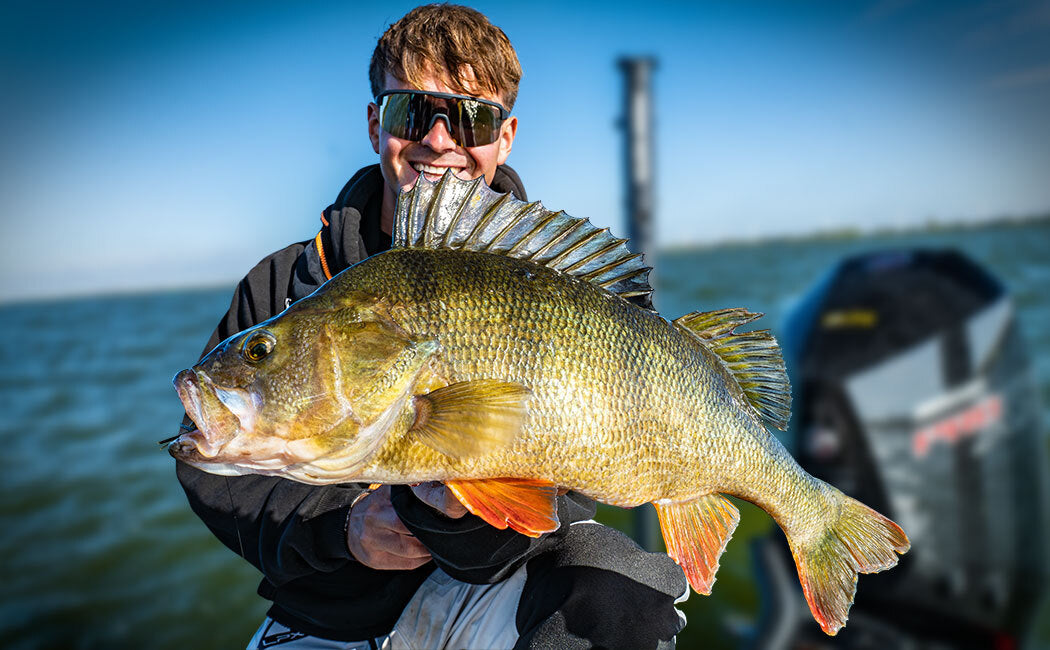
In principle, any soft plastic lure can be fished on a free rig. Crab and crayfish imitations work particularly well, as do salted and scented soft plastics. As mentioned earlier, predators feel no direct resistance when they pick up the lure on a free rig. When the lure is also flavoured, perch and others often bolt off with it confidently — just as you'd see in largemouth bass fishing — giving you enough time for a delayed strike that frequently sets perfectly. This makes free rig fishing both highly effective and genuinely exciting.
Lures I've used successfully on the free rig:
- Illex Cover Craw
- Noike Donkey Boo
- X Zone Lures Muscle Back Finesse Craw
- Noike Smokin Dad
- X Zone Lures Punisher Punch Craw
- Noike Yabby
- #LMAB Finesse Filet Craw

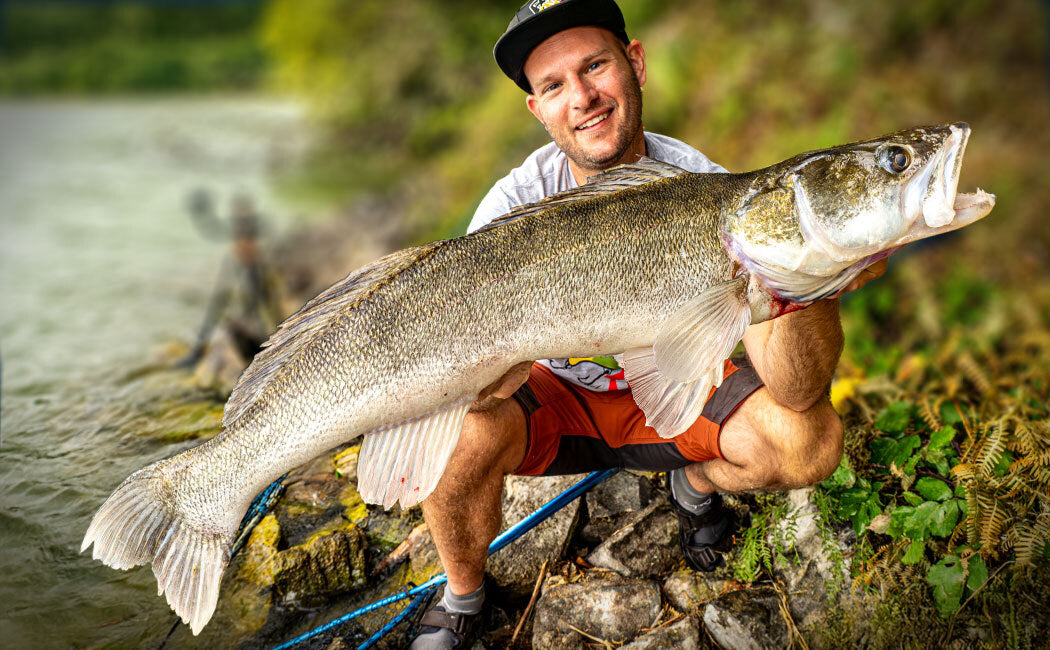
Florian Penno: A lovely River Elbe zander caught on the free rig
Line Choice for Fishing the Free Rig
To get the most out of the properties described above, your line choice matters. The free rig works best on a full fluorocarbon main line. Compared to braid, fluorocarbon's greater stretch gives the fish even more room when it takes the lure, and it picks it up with even less suspicion — which increases your hook-up rate further. Don't worry: you'll still feel the bites clearly despite, or perhaps even because of, that added stretch. Give it a go.
Which Rods Do You Need for Fishing the Free Rig?
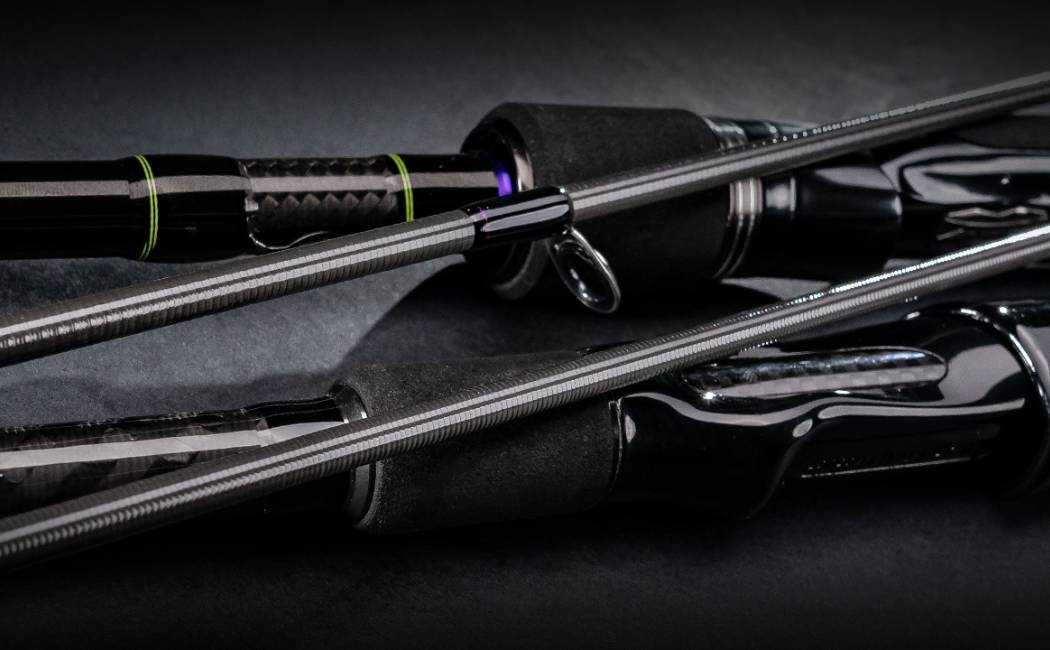
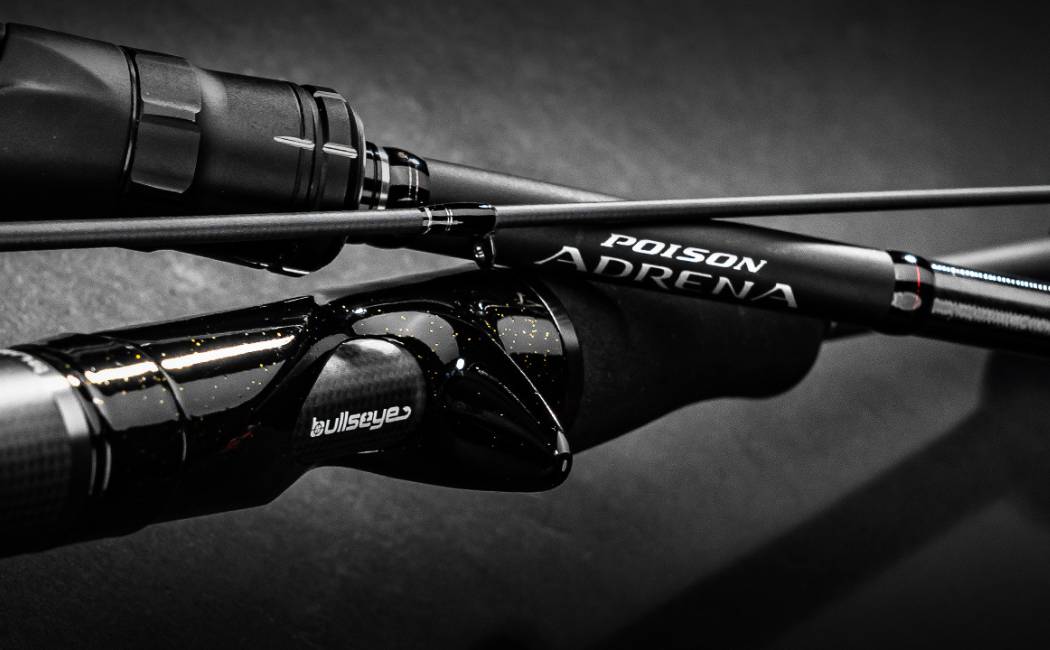
Any typical rig rod will do the job well. You want a sensitive tip to pick up bites as clearly as possible without offering the fish too much resistance. Pair that with a strong backbone for a positive strike and good feedback through the blank, and you've found your ideal free rig rod. Rods with a solid tip — a spliced-in solid carbon tip — perform particularly well with this technique, though they're by no means essential.

Florian Penno: Perch love crab imitations on the free rig too
Summary
Here are the key points about the free rig at a glance:
- The lure is as free from the weight as possible, without being fixed at a set distance.
- As a result, the lure sinks more slowly than the weight and produces a particularly interesting action.
- On the take, the predator feels no direct resistance, and it often bolts off confidently with the lure — especially when it's salted and scented.
- Delayed strikes can be set with great success.
- Bites are transmitted directly to the rod tip, even when they come to a stationary lure on the bottom, since the fish doesn't need to move the weight.
- The free rig is extremely simple and built from just a handful of components.
- The retrieve is straightforward yet highly versatile.
- The technique works year-round and performs well in winter too.
- Any rig rod is suitable.
- A fluorocarbon main line is ideal, but not a requirement.
- Thanks to the slim weight and offset hook, the free rig is very resistant to snagging.
Final Thoughts on the Free Rig
A few last words. The free rig genuinely opens up new freedoms when you're fishing soft plastics — and that's meant literally. The slim weight and offset hook make it very snag-resistant. The fishing itself is tremendously exciting, because when a fish bolts off with the lure, it's simply brilliant. You can use it almost anywhere in place of a standard jig head or a Texas rig, and there are plenty more situations where it shines. Perch and zander respond very well to the free rig, and it also doubles as an excellent cold-water set-up when the temperature drops.
With all those advantages, who isn't convinced? I certainly am. Give it a go — everything you need to tie and fish the rig is available in our shop.
Tight lines and tight knots,
Florian

