
















Pike are very often found in extremely shallow water, where standard jig heads can make presenting a lure almost impossible. Beyond that, a regular jig head becomes increasingly awkward to rig as it gets larger, and the long hook shank stiffens a soft lure so much that it kills the action. Large soft lures also get chewed up in the fight far more quickly when mounted on a jig head — even before the pike's teeth get to work — and you lose a great deal of flexibility because you can't keep swapping jig heads on the bank. There are plenty of reasons to reach for a shallow rig, not least because it serves as the basis for pike fishing at virtually any depth.

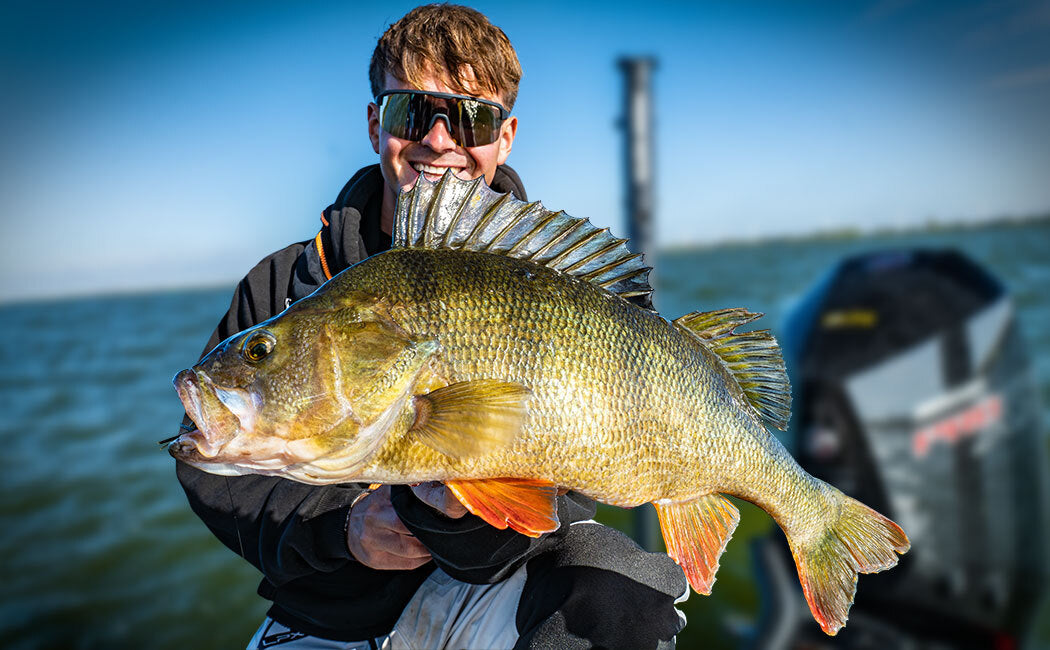
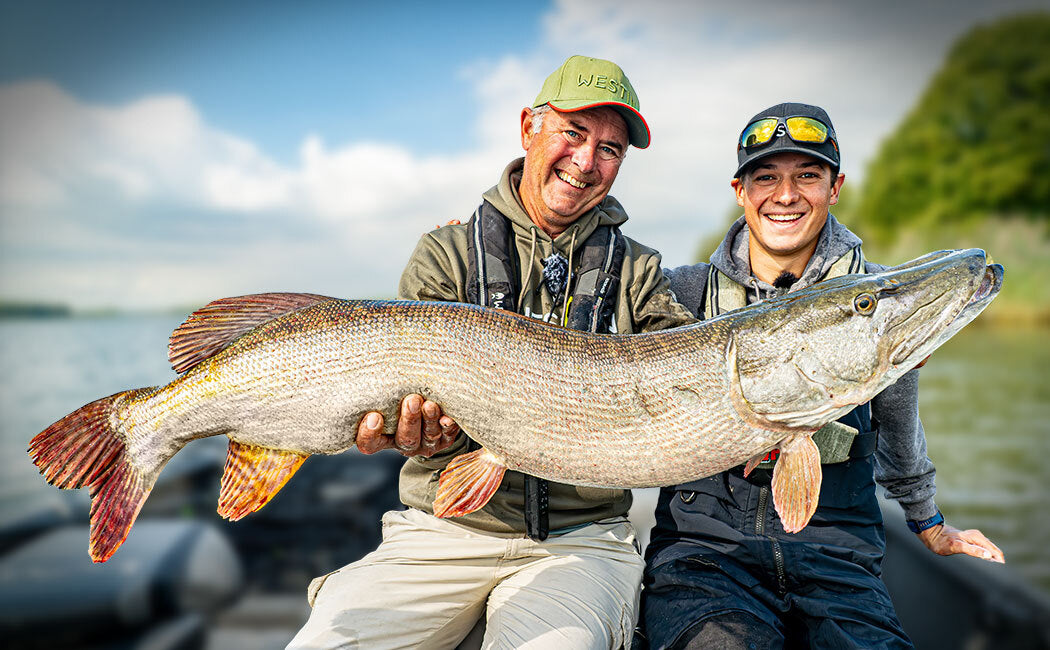
A fine pike on the shallow rig. Source: Dennis Siever
So What Exactly Is a Shallow Rig?
The original shallow rig is built around a shallow screw — a stainless steel wire spiral that is screwed into the soft lure and fitted at the front with a sturdy eye. This spiral holds the lure rock-solidly in place and acts as the attachment point for the hook system. The hook system is connected to the eye either via a split ring or fixed directly with crimping sleeves. The latter requires the hook system to be built from steel or titanium wire, which is perfectly viable but by no means essential. There are various options here. Depending on lure size, the hook system itself can consist of one or several treble hooks. Lure size, personal preference and the situation at hand all play a decisive role.

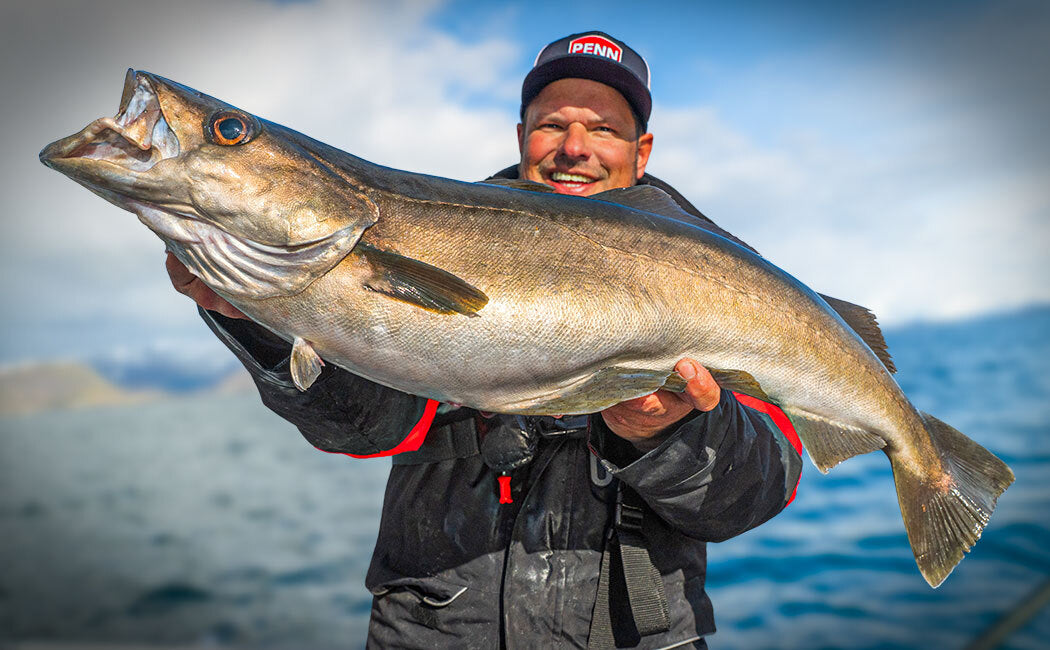
It's not only pike that go for lures on the shallow rig. Source: Dennis Siever
Weighting the Shallow Rig
In its basic form the system carries no additional weight and 'works' purely on the natural weight of the soft lure, which means you can fish it incredibly shallow. This lets you present even large lures in extremely shallow areas or run them over dense weed growth without having to hack a path through it.

Pig Shad on an unweighted shallow rig. Source: Dennis Siever
When needed, clip-on weights can be attached to the eye of the spiral to bring the lure down to virtually any desired running depth.

Shallow rig with #LMAB Tungsten Jika Sinker. Source: Dennis Siever
There are now systems available that come with weights designed to slide onto a specially shaped eye, which makes the whole process even more convenient — though it is not strictly necessary.

Shallow rig with an alternative weighting option. Source: Dennis Siever
The Components at a Glance
Shallow Screw
The shallow screw is the heart of the shallow rig. It is made from stainless steel wire and is therefore completely rustproof, which also makes it suitable for brackish water. Although this component looks deceptively simple at first glance, there are a few things to consider when choosing the right screw:
During the cast and the fight, enormous forces act on this unassuming little piece of hardware.
If a 15 kg pike decides to go absolutely wild — throwing itself out of the water and fighting with everything it has — the screw must be able to handle those loads. Many screws are made from wire that is too thin or have an open eye, which means they can straighten under pressure and you lose the fish along with the lure and hook system. Fortunately this happens very rarely, and most screws available today are built to a sufficient specification.
The 'pitch' of the spiral coils also matters. If it is wrong, the screw tears out easily and leaves a cylindrical hole in the soft lure. The pitch must be neither too large nor too small.
Finally, there are screws with or without a centring pin. A centring pin is a great help when it comes to positioning the screw correctly in the lure. Without one, getting the lure sitting symmetrically can turn into a fiddly business. With a pin, it's done in seconds. As you can see, the screw is a small component that carries a great deal of importance.
Hook System
The hook system is the variable part of the shallow rig. Lure size, lure shape, the situation and personal preference all play a major part in how you construct it. With smaller lures, or in snaggy or weedy areas, a single treble hook will usually be the right choice.
Many anglers fish with just one hook in everyday situations — even on larger lures — when it's not absolutely critical to convert every take. This helps avoid deep-hooked pike. Pike typically attack the head of the lure, so a single treble is often enough even on a 25 cm lure, and it makes unhooking considerably easier.
When pike are biting cautiously, during a competition, or when you're fishing very large lures, a second or even third treble can be added. This can noticeably improve your hook-up rate, but it also raises the risk of pike being hooked deeply. There's also an extra hook that could end up in your hand during unhooking or landing. You need to weigh up carefully when a second or even third hook is genuinely justified.
If you do opt for a second hook, it's worth crushing the barbs so that unhooking — whether from the fish's mouth or from your own hand — becomes easier. For the connection between hooks and between the hook system and the screw, there are countless options. You can build the system from steel or titanium wire, or use multiple swivels.
Building with swivels has several advantages. All individual components can be swapped out easily when needed — for example if a hook has gone blunt or you need a different hook size. On an otherwise unweighted system, the swivels also act as a keel and stabilise lures that would otherwise tend to roll or spin.

Quality components for building the shallow rig. Source: Dennis Siever
In very shallow water, however, the weight of the swivels can already be too much, and in those cases a wire-based system becomes unavoidable. My recommendation would be to use a swivel-based system in every situation where it is possible. It rotates freely during the fight, so no wire gets twisted and hooked fish find it harder to shake the hook. Individual components can be swapped quickly to match the lure size, and the system will theoretically last indefinitely because barrel swivels suffer virtually no wear. Only use a wire-based hook system where it is absolutely necessary. Alongside the hooks, split rings and swivels or wire, the system ideally also includes stinger spikes, which anchor the system in the body of the soft lure. These stinger spikes hold the trebles in the correct position and only release from the lure when the pike bites. This ensures the fish is hooked cleanly, while the lure and hook system then separate from each other to protect the lure from further damage inside the pike's mouth and to keep the drop-off rate as low as possible.
Clip-On Weight
Clip-on weights for shallow systems are made from tungsten or lead and feature a mechanism at the top that lets you attach or remove them quickly without them coming off unintentionally during the cast or the fight. This can be a clip or a small bail. Other systems use slotted ball weights that slide onto the rig. However the attachment is designed, all suitable weights should be interchangeable quickly without requiring any work on the system itself. Tungsten weights are clearly the optimum choice here. They have the highest density, so at any given weight they are smaller and more compact, which affects the lure's action less. They also contain no lead. Some manufacturers now offer lead-free alternatives to tungsten.
Which Lures Work Best on a Shallow Rig?
Small soft lures are well suited to jig heads or cheburashkas. It's really from around 17 cm in length upwards that a shallow system starts to make proper sense. There's no upper limit — shallow rigs can in principle be adapted for lures up to 40 cm long, though those are understandably used less often. Most large pike soft lures fall between 20 and 30 cm, and this is where the shallow system comes into its own, since lures of this size can barely be mounted on a standard jig head. When a lure combines considerable length with real bulk, using a jig head becomes virtually impossible. That's no problem at all, though, because shallow rigs are not complicated to put together. They're quick to build and bring nothing but advantages when used with the soft plastics in question.
How Do You Fish a Shallow Rig Correctly?
In general you can fish the shallow rig in a similar way to soft lures on a jig head. When fishing for pike, the standard approach involves a fairly steady retrieve broken up with longer pulls over the rod tip and pauses where the lure drops. Depending on the weight you have clipped on, these pauses can be long or relatively short. Heavily weighted rigs can also be fished with jigging or by keeping the rod still and hopping the lure along with a couple of turns of the reel handle before letting it fall back.

A fine pike on the shallow rig. Source: Dennis Siever
Which Soft Lures Work on a Shallow Rig?
Large, bulky soft lures in particular are an excellent match for a shallow rig.
Here are some of my personal favourites that I regularly fish on a shallow rig:
- Illex Dexter Shad 200 and 250
- #LMAB KØFI Roach Shad 26 cm
- #LMAB KØFI Perch Shad 23 cm
- Noike Wobble Shad 7.5"
- Abu Garcia Beast Paddle Tail
- Gator Gum
- Kanalgratis Fatnose Shad
- Kanalgratis Hooligan Roach

An example of how the hooks can be anchored in the lure. Source: Dennis Siever
Summary
Hopefully plenty of big pike! There is no other rig that offers this kind of flexibility when fishing for pike with large lures, or that adapts so easily to different lures and conditions. With interchangeable weights you can present your lure at virtually any depth. Whether you're casting out on a large open lake or targeting pike in shallow flats and lagoons, the shallow rig keeps you ready for anything and lets you react almost instantly when conditions change. Lures last longer, pike stay on the hook better. It's a list with only pros and no cons. So get out there — and just as the letter 'Z' closes the alphabet, the odd zander will always find its way onto your shallow rig too.

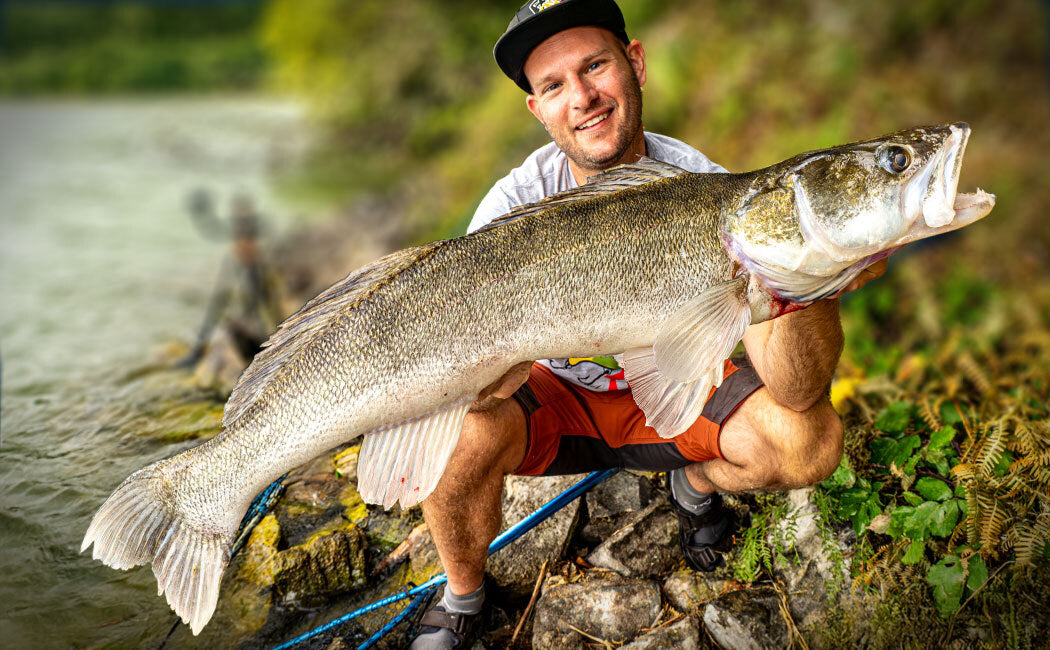
This beautiful night-time zander also fell for a lure on the shallow rig. Source: Dennis Siever

